Introduction
In the evolving global of electronics, the alternative of elements performs a pivotal position in deciding on the overall performance and reliability of devices. Among varied interconnection techniques, twine bonding stands out as a integral process used to ascertain electrical connections inside of semiconductor applications and other electronic system. This article delves into an in-depth comparability between copper and silver wire bonding, exploring their properties, blessings, dangers, and programs. By the stop of this finished e-book, you'll have a clearer knowledge of which cord bonding way is perfect in your certain wishes.
Copper vs Silver Wire Bonding: Which is Right for You?
The debate surrounding copper vs silver cord bonding has been ongoing in the semiconductor business. Each subject material delivers pleasing benefits and disadvantages, affecting every little thing from cost to functionality.
What is Wire Bonding?
Wire bonding is a commonly followed manner used to create electric interconnections between semiconductor gadgets and their packaging. It contains the use of pleasant wires—often fabricated from gold, aluminum, copper, or silver—to connect bond pads on incorporated circuits (ICs) to exterior leads or substrates.
How Wire Bonding Works
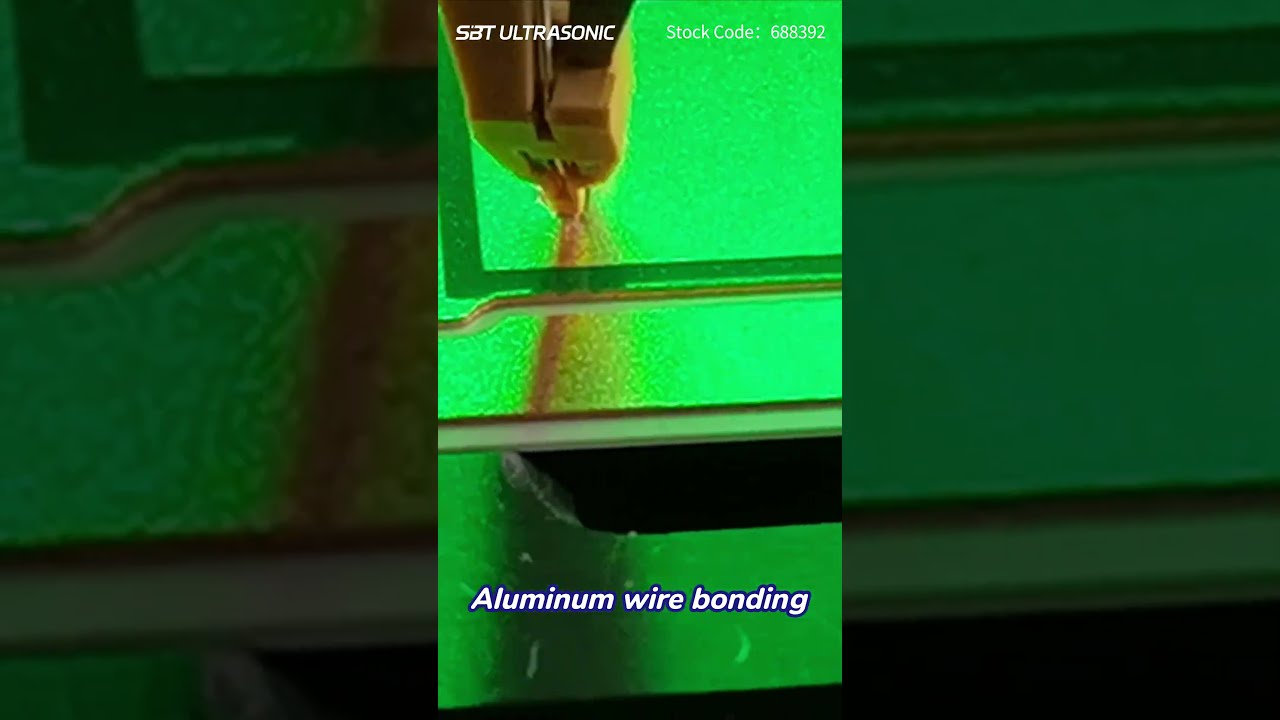
During the wire bonding technique, a skinny metallic cord is hooked up at one end to a pad at the semiconductor die using warm and force. The different stop is then bonded to a lead body or substrate the use of comparable approaches. The two principal different types of bond techniques are thermosonic processes and ultrasonic bonding.
Understanding Wire Bonding Technology
Types of Wire Bonding Techniques
- Ball Bonding: This process employs an electrically heated ball-formed tip that kinds a bond among the cord and pad. Wedge Bonding: In this strategy, a wedge-shaped device applies stress although ultrasonic vigor is helping create a bond. Ribbon Bonding: Utilizes flat ribbon wires in place of circular ones for superior surface arena contact.
Wire Bonding Equipment Overview
To participate in twine bonding appropriately, really expert accessories including computerized cord bonders and handbook setups are utilized. Each gadget varies in skill and application based on production quantity requisites.
Copper Wire Bonding: Advantages & Applications
Properties of Copper Wire
Copper boasts properly electrical conductivity and thermal residences, making it acceptable for excessive-efficiency programs. Its tensile electricity additionally makes it possible for for great pitch designs.
Advantages of Copper Wire Bonding
Cost-Effectiveness: Copper wires are in most cases much less costly than gold or silver preferences. High Electrical Conductivity: Ensures competent signal transmission. Robustness: Suitable for various environmental stipulations.Applications in Electronics
- Power modules Automotive electronics Aerospace applications
Silver Wire Bonding: Advantages & Applications
Properties of Silver Wire
Silver facets most well known conductivity in comparison to the two copper and gold. It’s rather positive in excessive-frequency purposes using its reduce resistivity.
Advantages of Silver Wire Bonding
Superior Conductivity: Offers best suited overall performance in prime-frequency circuits. Corrosion Resistance: Less at risk of environmental degradation than copper. Better Performance in Harsh Environments: Ideal for aerospace and scientific units.Applications in Electronics
- RF modules High-continual applications LED manufacturing
Comparative Analysis: Copper vs Silver Wire Bonding
| Feature | Copper | Silver | |--------------------------|----------------------------|-----------------------------| | Cost | Lower | Higher | | Conductivity | Good | Excellent | | Corrosion Resistance | Moderate | High | | Strength | High | Moderate | | Thermal Conductivity | Good | Excellent |
Factors Influencing Your Choice Between Copper vs Silver Wire Bonding
When determining among copper and silver cord bonding options, understand reasons like:
Electrical Requirements: What point of conductivity do you desire? Cost Constraints: Are you operating inside a good budget? Application Environment: Will your product be exposed to harsh conditions? Long-time period Reliability: How primary is longevity to your application?Wire Bond Quality Control Measures
Maintaining quality for the duration of the twine bonding approach is integral for guaranteeing instrument reliability:
Monitoring bond force by pull checks. Visual inspections to come across defects resembling heel cracks or incomplete bonds. Employing computerized inspection programs to be certain consistency.Wire Bond Failure Analysis Techniques
Understanding capabilities failure modes can assist mitigate disadvantages:
- Common failure causes come with oxidation at bond websites, contamination in the time of manufacturing procedures, and fallacious bonding thoughts. Employ non-destructive checking out techniques like X-ray inspection to become aware of worries early on.
Conclusion
In conclusion, both copper and silver wire bonding strategies have their personal merits and barriers depending on designated standards related to payment, overall performance, ambiance, and alertness sort. Evaluating these points closely will guide determine which system exceptional matches your wants—whether you lean against rate-productive copper treatments or choose high-overall performance silver possibilities.
Frequently Asked Questions (FAQs)
What are the most transformations between copper and silver cord bonding?- The main variations lie in payment-effectiveness (copper being inexpensive), conductivity (silver being stronger), corrosion resistance (silver has stronger resistance), and mechanical houses (copper broadly speaking presents bigger tensile force).
- Industries like automobile electronics, aerospace applications, LED manufacturing, RF communications, electricity modules production utilize a good number of forms of cord bonding know-how widely.
- Factors along with software ambiance situations (temperature versions), favored electric properties (conductivity specifications), budget constraints (rate considerations), and production quantity should always booklet your decision-making strategy related to which approach is ideal.
- Common screw ups incorporate incomplete bonds by using inadequate pressure or electricity carried out at some stage in processing; oxide formations at bond surfaces preferable to vulnerable connections; contamination in the course of assembly impacting adhesion great; amongst others.
- Transitioning from one textile (like gold) closer to an alternate preference requires careful attention regarding compatibility with present systems/strategies whilst assessing efficiency impacts that may rise up from adjustments made throughout construction runs.
6. What substances can help extra my wisdom approximately complex sides appropriate mainly in the direction of diversified styles/versions discovered inside of this area?
- For the ones keen novices seeking deeper insights into specified methodologies used within this subject may perhaps discover magnitude attending webinars hosted by market consultants alongside educational research papers a possibility on-line focusing above all upon issues associated quickly with different sub-disciplines crucial closer to contemporary-day electronics layout/manufacturing practices.*
This accomplished article serves as an extensive useful resource on "Copper vs Silver Wire Bonding" even as addressing functional concerns central across lots of technical dimensions!